

Who Was Bernadette Soubirous? The True Story Behind the Legend
Bernadette Soubirous was born on January 7, 1844, in Lourdes, a small town nestled in the foothills of the French Pyrenees. She was the eldest daughter of a miller family that had fallen into poverty, living in a damp, single-room basement once used as a jail. Her childhood was marked by illness — she suffered from asthma and cholera as a young child — and by a quiet, deep faith that would later astonish the world.
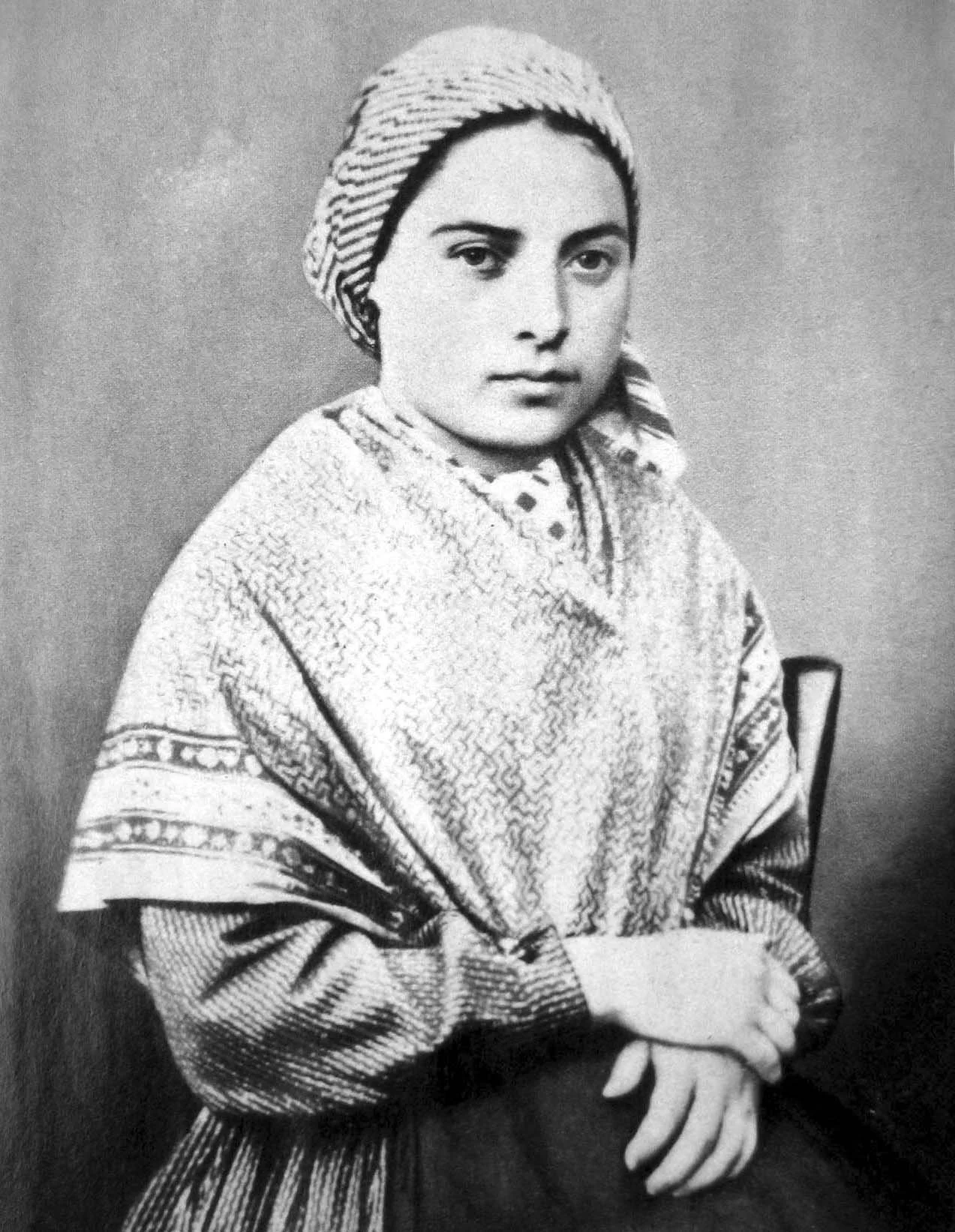
Bernadette Soubirous, c.1858
In February 1858, when Bernadette was just 14 years old, she reported seeing a mysterious "Lady" in a rocky grotto called Massabielle, near the banks of the Gave de Pau river. Over the course of several weeks, she returned to the grotto 18 times, claiming to receive messages and visions from the apparition. The Lady eventually identified herself with the words: "I am the Immaculate Conception" — a theological concept Bernadette, barely literate, could not have invented on her own.
What makes Bernadette's story so remarkable is not just the visions themselves, but who she was: a poor, sick, uneducated girl with no social standing and nothing to gain. She never sought fame. She was interrogated by civil authorities, mocked by neighbors, and doubted by her own parish priest. Yet she never changed a single detail of her account.
After the apparitions ended, Bernadette entered the Sisters of Notre Dame de Nevers convent, where she lived in humility and physical suffering until her death on April 16, 1879, at just 35 years old. She was canonized by Pope Pius XI in 1933.
Her story inspired millions — and today, it is brought back to life on stage in Bernadette, the Musical, a production that captures the raw humanity, the courage, and the light of this extraordinary young woman.